Reconnecting with Nature & Health
Recently, I was reminded that sometimes the most valuable thing you can do is break your hyperfocus, disconnect from the world, and reconnect with nature.
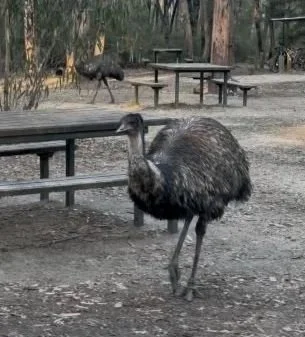
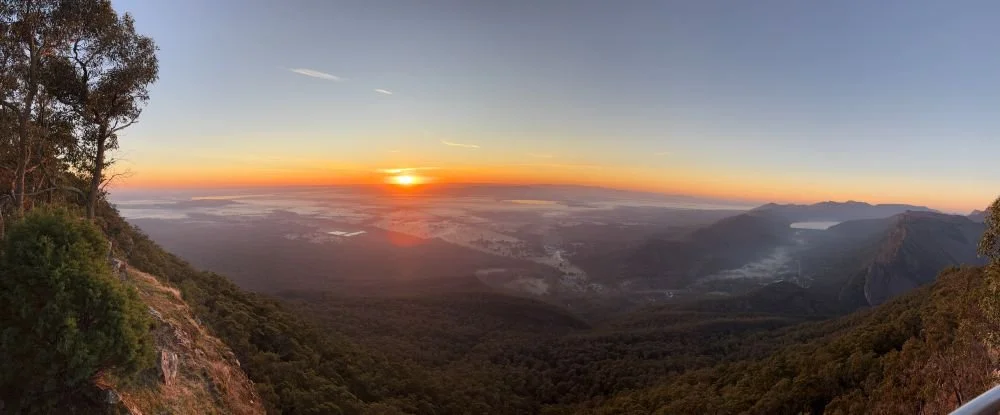
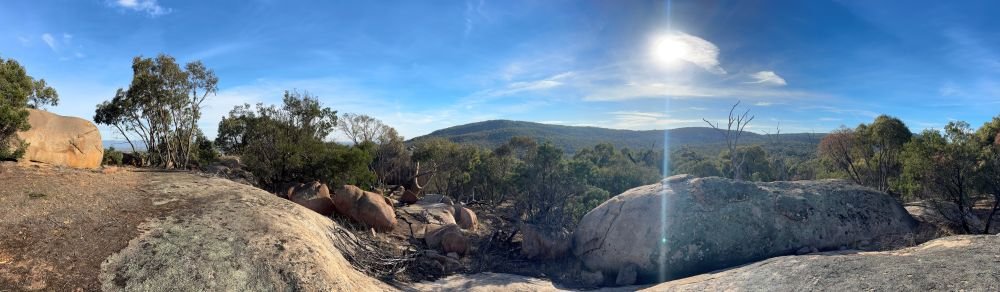
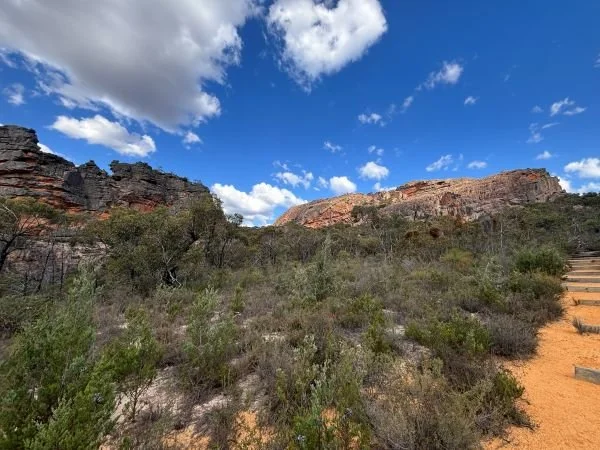
I’ve just returned from five days of pure joy in the Grampians. It was a week of living simply, barefoot on the earth, cooking over coals and taking bush showers under the open sky. I spent my days hiking, reflecting and soaking in the sounds of the bush and my evenings sitting by the fire stargazing. From sketching eagles and reading First Nations knowledge to breakfast with kangaroos and being chased by an emu (LOL, a first for me!). It was a soul-filling mix of nature and wonderful new connections. One of my favourite parts of travelling is talking to strangers and realising how small the world is and how interconnected we all are. I ended up meeting a lady who lives in my small hometown on Bundjalung country.
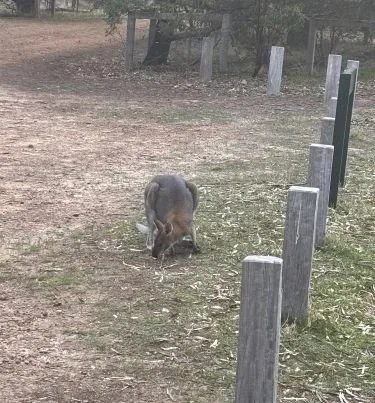
I’m really mindful that being able to take a few days off is a bit of a luxury right now, especially with the cost of living being what it is. Luckily, fuel prices dipped right before my trip, which helped. Even though I now own a van that’s almost a hotel on wheels, I’m no stranger to roughing it in a tent. For those looking for a budget option, there are free campsites around and the Grampians offer great sites for about $16 a night — as long as you’re okay with pit toilets and cold bush showers! Forget the 10-step skincare routine ladies, it’s time to swap glowing skin for hair that smells like campfire smoke. The kind of character-building stuff that can’t be captured on camera, you’ve got to live it.
The true privilege isn’t financial it’s understanding the value of a simple life. There’s a certain clarity that comes when you strip everything back to the basics.
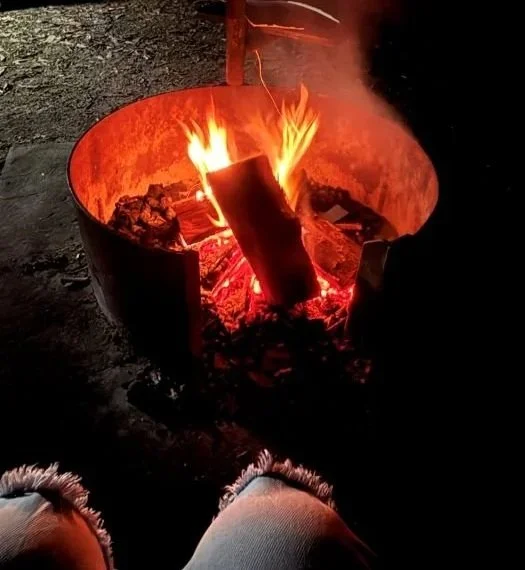
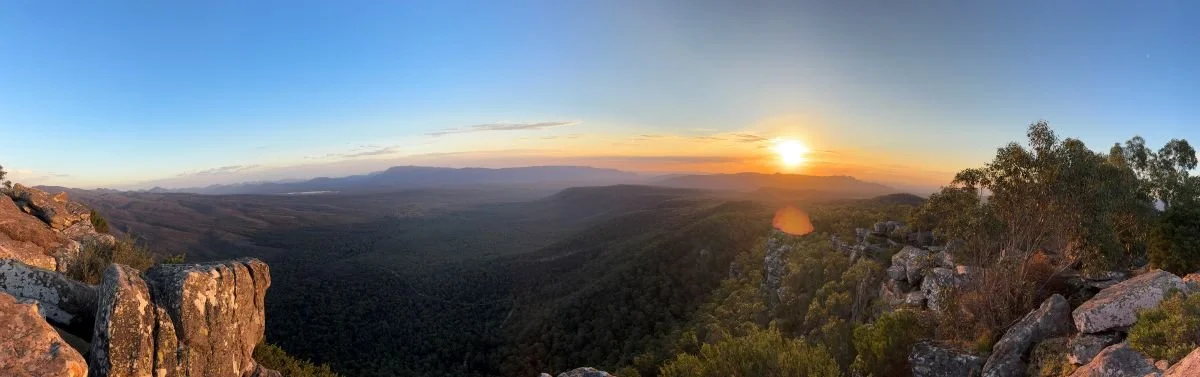
The weather was an absolute dream. With days hovering around 22oC, it was perfect hiking weather, and the 9oC nights were made for sitting by the fire, toasting marshmallows and getting a solid night’s sleep. There are probably only a few more weeks left of these perfect camping. I feel so lucky I caught it in time to sit in awe of the sunrises and sunsets.
Nature and Physical, Mental and Social Health Benefits
A substantial body of research shows that spending time in nature is linked to better social, mental, and physical health.
Benefits include improved pregnancy outcomes, a lower risk of cardiometabolic and neurodegenerative diseases, and enhanced cognitive and brain functioning. Time in natural environments is also associated with reduced blood pressure, better sleep, and overall improvements in physical and mental health. People report lower levels of tension, anxiety, depression, anger, hostility, fatigue, and confusion.
Even brief exposure makes a difference. Whether it’s just 10 minutes or several days, time in nature offers measurable benefits. One study found that nature exposure reduced salivary cortisol by 21% and salivary amylase by 28%, indicating meaningful stress reduction—especially with 20 to 30 minutes of exposure.
Spending at least 30 minutes outdoors has been linked to improvements in high blood pressure and depression. Sitting outside for 10 to 30 minutes can lower cortisol levels and blood pressure, while just 5 minutes of “green exercise” can boost mood and self-esteem.
Longer-term patterns matter too. People who spend at least 120 minutes in nature each week are more likely to report good health and well-being, while those with less than that see little benefit. For individuals with mental illness, nature exposure ranging from 10 minutes to 2 hours has shown significant positive effects. The strongest benefits appear around 120 minutes per week, with gains leveling off around 200–300 minutes.
Even small steps count—going outside for as little as 10 minutes can positively impact mental health. Research also shows a 28% reduction in demand for general practitioner services following programs that prescribe time in nature. Additionally, nature-based interventions have been found to significantly lower both systolic and diastolic blood pressure compared to control groups.
Green and Blue Spaces, or Nature-Based Interventions
Green Spaces
Urban landscapes such as parks, backyards, forests and hills
Blue Spaces
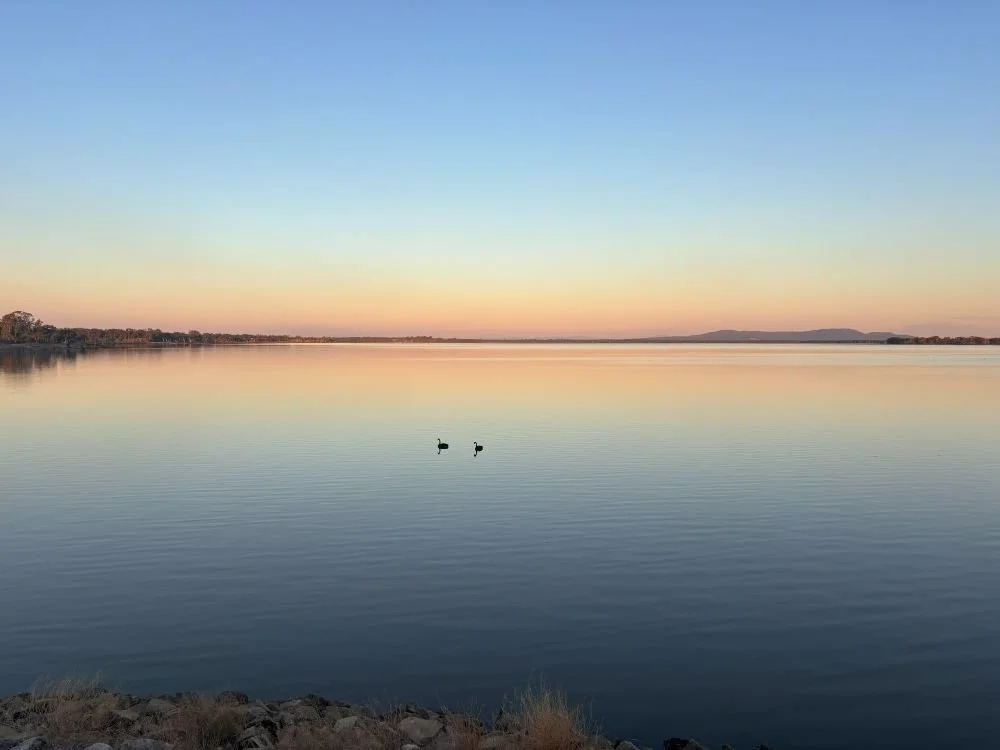
Bodies of water e.g., lakes, beaches, rivers, waterfalls
Structured Programs
Horticultural or garden therapy
Walking groups
Wilderness therapy
Outdoor sports and activities e.g., hiking, camping, swimming, tai chi
Explore Other Blog Articles
Constipation Management & Relief I Melbourne Dietitian & Nutritionist
Dieting vs. Non-Diet Approach I Melbourne Dietitian & Nutritionist
Iron Deficiency Risk & Signs I Melbourne Dietitian & Nutritionist
A Healthy Relationship with Food I Melbourne Dietitian & Nutritionist
The Risks of Chronic Dieting I Melbourne Dietitian & Nutritionist
References
Bettmann, J. E., Speelman, E., Jolley, A., & Casucci, T. (2025). A Systematic Review and Meta-Analysis on the Effect of Nature Exposure Dose on Adults with Mental Illness. Behavioral Sciences, 15(2), 153.
Nguyen, P., Astell-Burt, T., Rahimi-Ardabili, H., et al. (2023). Effect of nature prescriptions on cardiometabolic and mental health, and physical activity: A systematic review. The Lancet Planetary Health, 7, e313–e328.