

Melbourne Dietitian & Nutritionist
We Focus on Your Health, Not Your Weight
Because health isn’t a size, and weight isn’t a behaviour

Science-Backed Gut Health Support in Melbourne
St Kilda & Online Australia-Wide

◻️Irritable Bowel Syndrome (IBS)
◻️Coeliac disease
◻️Constipation and diarrhoea
◻️Diverticular disease

◻️ Bloating and distention
◻️ Functional Dyspepsia
◻️ Acid reflux and heartburn
◻️ Fatty Liver Disease
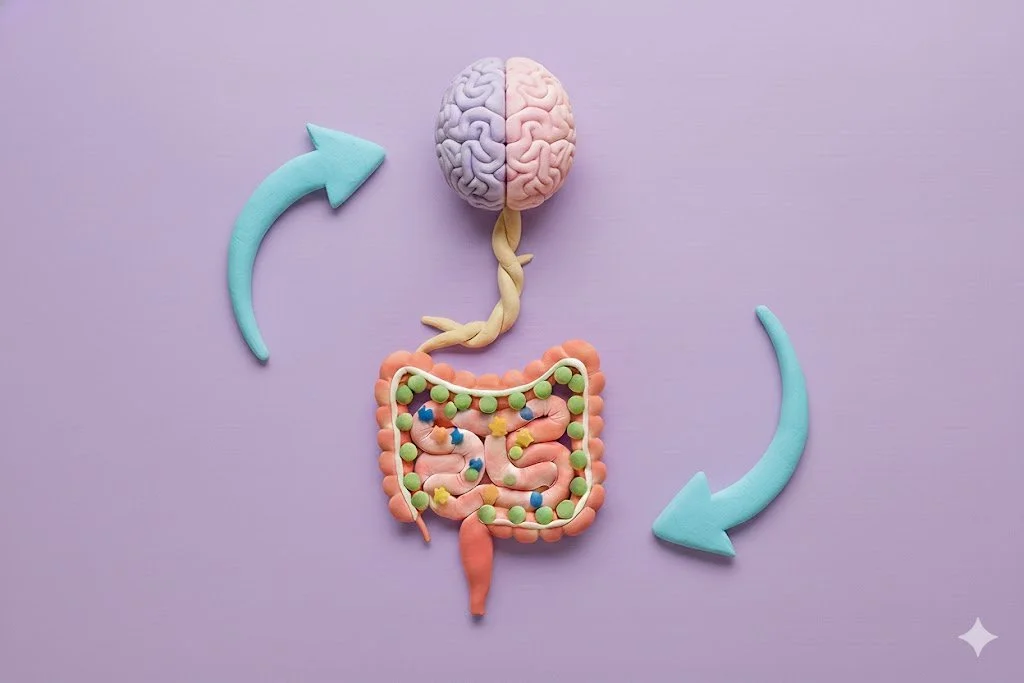
◻️ Food intolerances and sensitivities
◻️ Stress related gut symptoms
◻️ Disordered eating impacting digestion
A Non-Diet Approach to Food Freedom
This isn't about a quick fix diet
It's about reconnecting with your intuition, nourishing your body and healing your relationship with food.

Women’s Health
◻️Polycystic Ovarian Syndrome (PCOS)
◻️ Perimenopause and menopause
◻️ Osteopenia and osteoporosis
Chronic Conditions
◻️High cholesterol and high blood pressure
◻️Diabetes and insulin resistance


Eating Disorders
◻️ Binge Eating Disorder (BED)
◻️ Bulimia Nervosa (BN)
◻️ Disordered eating
Relationship with Food
◻️ Non-Diet Approach
◻️ Intuitive Eating
◻️ Mindful Eating


Ready to break up with dieting?
◻️ Improve your health
◻️ Quiet food noise
◻️ Eat without guilt
◻️ Move for fun
◻️ Trust your body
◻️ Accept all foods
You were taught to follow rules; we'll guide you to break free from them
Spend your time living your life,
not obsessing over every bite

Melbourne Dietitian & Nutritionist
📍 Suite 4, 322 St Kilda Road, St Kilda, Melbourne, VIC 3182 Australia
✉️ reception@emmakeenandietitian.com.au
📞 (03) 7042 4257
Melbourne Dietitian Appointments
In-Person Dietitian Consultations | Melbourne
📅 Wednesdays | 🕘 9:00 AM – 1:00 PM
Online Dietitian Consultations | Australia-wide
📅 Tuesdays, Thursdays, Fridays | 🕘 9:00 AM – 6:00 PM

Nourishing Melbourne: Our Nutrition & Wellness Blog





Common Questions for Your Melbourne Dietitian & Nutritionist
-
Dietitians are not just nutritionists; they are qualified Medical Nutrition Therapists. To become a dietitian, one must undergo a rigorous process, including obtaining an approved dietetics qualification, completing clinical placements, and achieving accreditation. This ensures that they have the highest level of nutrition education among health professionals.
In contrast, "nutritionist" is not regulated or protected, meaning anyone can use it regardless of qualifications.
Dietitians possess the highest level of nutrition education among health professionals. They are the only ones recognised by Medicare to provide Medical Nutrition Therapy. They often work collaboratively with other health professionals as part of a multidisciplinary team to achieve the best possible health outcomes for their clients and patients. To be a dietitian, you must have an approved dietetics qualification, complete clinical placement, and undergo accreditation.
It's important to note that the term 'nutritionist' is not regulated or protected, meaning anyone can use it, regardless of their qualifications. This lack of regulation underscores the importance of being cautious about who you seek nutritional advice from.
Dietitians don't work in isolation. They collaborate with other health professionals as part of a multidisciplinary team to achieve the best possible health outcomes for clients and patients. This team-based approach ensures that all aspects of a patient's health are considered, leading to more effective care.
-
A dietitian will work closely with you, understanding your unique needs and preferences, to help you achieve your nutrition and health goals.
A dietician conducts a comprehensive assessment of your current medical condition or health concerns, considering presenting symptoms, medical history, medications and supplements taken, lifestyle, dietary habits, and your relationship with food and food preferences.
A dietitian reviews available blood test results and medical reports to comprehensively understand your health history.
Read more about nutrition and dietitian services in St Kilda, Melbourne, and online in Australia.
-
Usually, you don’t need a referral to see a Melbourne Dietitian. However, there are situations where your GP might recommend a care plan including:
Chronic Health Conditions: People with a chronic health condition expected to last longer than 6 months may be eligible for a Medicare rebate on a care plan.
Eating Disorders: If you are eligible, your GP can create an eating disorder plan (EDP), including a referral to a dietitian.
First Nations People: Aboriginal and Torres Strait Islander peoples may be eligible for a rebate from Medicare.
NDIS Participants: If you are a part of the National Disability Insurance Scheme (NDIS), you may have allocated funding for nutrition support.
***Please be aware that we do not provide bulk-billing services.
Click here to read more about referrals and funding options.
-
Many private health insurance policies with extra coverage will pay benefits to see an Accredited Practising Dietitian. It's best to contact your health fund to discuss the available rebates.
-
If you are still looking for a dietitian nearby, you might be curious about the differences between in-person and online dietitian consultations.
Research shows that telehealth consultations are as effective as in-person sessions. The quality of care remains the same regardless of which consultation you choose.
Ultimately, your choice should depend on what best suits your lifestyle, location, schedule, and personal preferences.
It's worth noting that telehealth services remove geographical barriers and provide equal access to high-quality healthcare. Allowing people living in rural or remote areas to receive the same level of care as those in cities.
If you'd like more information, explore in-person dietitian consultations in St Kilda, Melbourne, or discover online dietitian consultation options across Australia.
-
In Australia, the title 'dietitian' can only be used by those with an approved dietetics degree from an Australian university.
Dietetics is an evidence-based profession, and Accredited Practising Dietitians (APDs) must complete 30 hours of professional development each year. Ensuring our nutrition knowledge remains current and aligned with the latest nutrition science.
When choosing the right dietitian, consider the areas they specialise in, expertise, approach, availability, and fees.
Please don't hesitate to reach out through the contact page or email if you have any questions.
-
Your location does not need to be a barrier to quality nutrition care. As a qualified and experienced dietitian, I provide:
Online Dietitian Appointments via Zoom are a convenient way to receive nutrition support from the comfort of your home, no matter where you live in Australia.
In-Clinic Consultations are available for those who can attend in person in St Kilda, Melbourne.
Ready to take the first step towards improving your relationship with food? Schedule a consultation today.
-
Explore your dieting history and relationship with food, eating and your body
Discover the weight range where your body is happy and healthy
End the cycle of restriction and binge eating
Build a positive, more balanced relationship with food
Challenge food rules, nutrition myths, and influencer misinformation
Reconnect with your body’s natural signals of hunger, fullness, and satiety
Create satisfying meals and snacks that support your body’s physiology
Unlearn dieting and disordered eating patterns, and relearn flexible, normal eating habits
Find movement that is enjoyable and sustainable
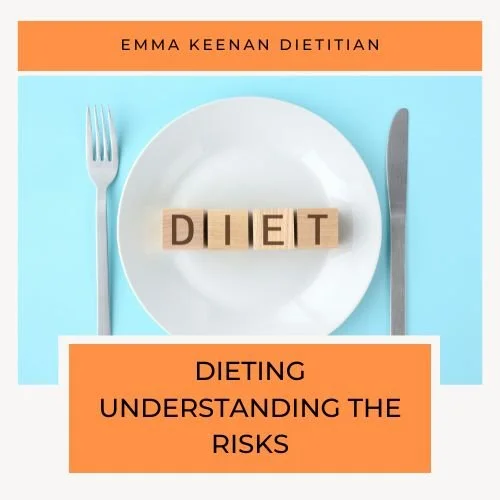
Diet culture has made it confusing to know what a healthy amount of food really is, along with the indicators that you might be unintentionally starving your body.