
Gut Health & IBS Dietitian | Melbourne & Online Australia
Personalised gut health and IBS nutrition support in St Kilda, Melbourne and online Australia-wide.

Compassionate Gut Health Support
Is your gut health taking up too much headspace?
Bloating, abdominal pain, constipation, loose stools, reflux, or emergency bathroom trips, can be incredibly draining. It’s even more frustrating when you’ve already tried cutting out gluten, dairy, or high-FODMAP foods, only to find you’re more confused and still dealing with symptoms.
Many of my clients arrive feeling:
◻️ Overwhelmed by conflicting nutrition advice
◻️ Anxious about eating out or trying new foods
◻️ Unsure what actually triggers their discomfort
◻️ Exhausted by the idea that restriction is the only way to find relief
If you’re tired of…
◻️ Scanning every menu for “safe” options before going out
◻️ Always needing to know where the nearest toilet is “just in case”
◻️ Trying to piece it together on your own
My role as a dietitian is to help you understand your unique gut and reduce discomfort and rebuild confidence with food. Together, we’ll build an evidence-backed plan that focuses on adding variety back in, rather than taking more away.



If you feel a bit awkward talking about poos, you don’t need to worry; it’s completely normal for me. Family and friends even joke about it by giving me poo-themed gifts. Here are some from my collection!
Gut Health Dietitian Areas of Expertise
-
Irritable bowel syndrome (IBS) is classified a functional gastrointestinal (GI) disorder.
Symptoms can be unpredictable and vary significantly between individuals. Common symptoms can include:
bloating
abdominal distension
constipation
diarrhoea
urgency
excessive gas
lower abdominal pain
IBS is common affecting around 10-15% of the Australian population.
-
Inflammatory bowel disease (IBD) is a term used to describe two main diseases, ulcerative colitis (UC) and Crohn’s disease (CD), which cause inflammation of the bowel.
-
Coeliac disease is a chronic autoimmune condition, that is triggered by gluten in individuals who are genetically susceptible.
Approximately 1 in 70 Australians have coeliac disease, however up to 80% of cases remain undiagnosed.
-
Food sensitivities or food intolerances describe a wide range of adverse reactions to foods. Food intolerances involve the gastrointestinal system. They sometimes get confused with food allergies which involve the immune system.
Food intolerances include metabolic conditions (e.g., lactose intolerance), chemical sensitivities (e.g., MSG, salicylates and amines), and reactions to artificial preservatives.
-
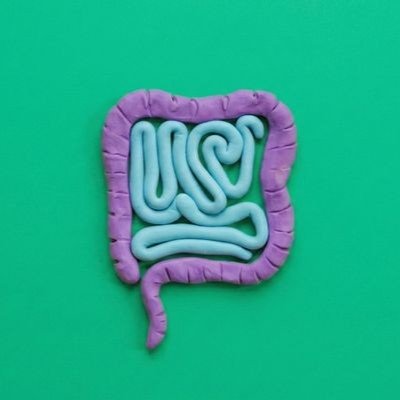
Diverticular disease is a condition where small pouches (diverticular) are formed in the large bowel.
Diverticulosis is the presence of diverticular, typically without symptoms.
Diverticulitis is when diverticular become infected and inflamed.
Diverticular disease is common affecting around 1 in 3 Australians over the age of 45 years. Most people don’t experience symptoms.
-
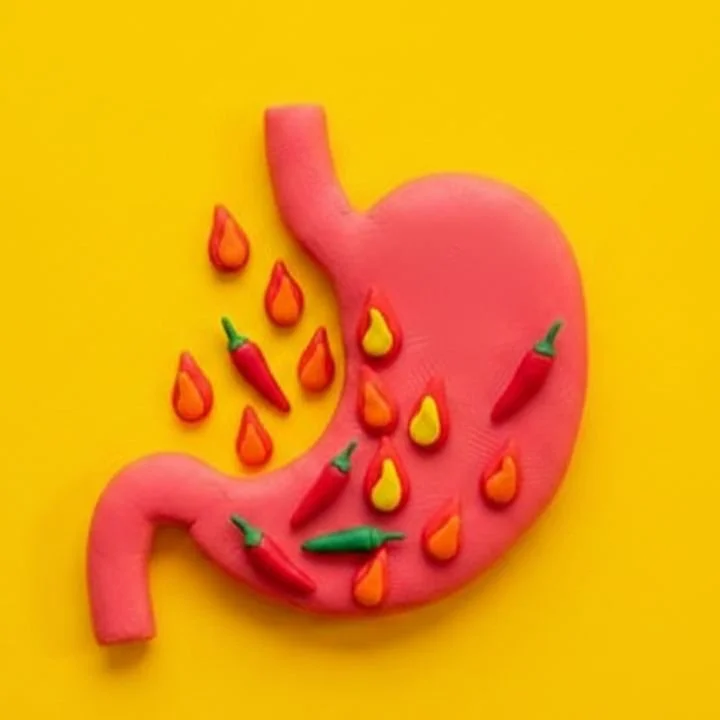
Gastro-oesophageal reflux disease (GORD) or acid reflux is when stomach contents rise up into the oesophagus (food pipe). Typical symptoms of reflux include heartburn, chest pain, tasting acid in the mouth, feeling bloated, burping, and indigestion.
GORD affects 10-20% of the Australian population.
-
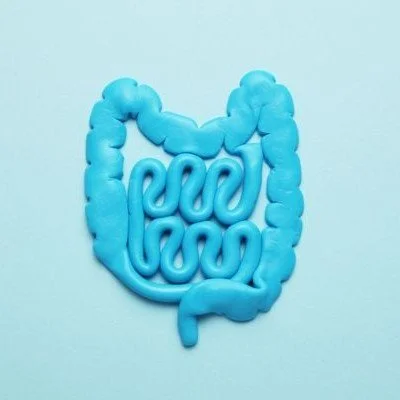
Chronic constipation is characterised by infrequent bowel movements. This is typically defined as fewer than three bowel movements per week, and often also includes symptoms such as straining, hard stools and a sensation of incomplete evacuation.
Chronic constipation is common, affecting approximately 9-20% of the global population
-
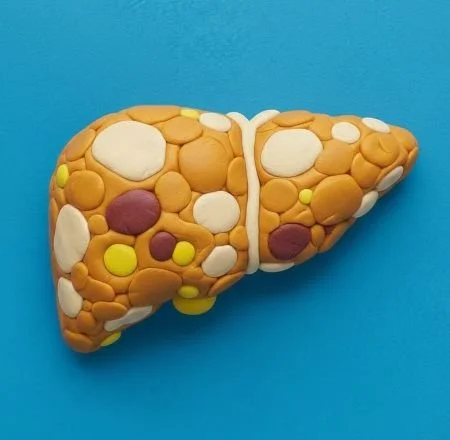
Metabolic dysfunction-associated steatotic liver disease (MASLD) is a condition characterised by a build-up of fat in the liver.
MSALD is estimated to affect 1 in 3 Australian adults.
Advanced Training & Postgraduate Education
⬜ Monash University Low FODMAP Diet for Irritable Bowel Syndrome (IBS)
⬜ Gastrointestinal Nutrition for Dietitians
⬜ Gut Smart Nutrition and Inflammatory Bowel Disease (IBD) for Dietitians
⬜ Coeliac Disease Australia member
Ready to Improve Your Gut Health?
Managing gut symptoms doesn’t mean cutting out everything you love. Together, we’ll identify the causes of your symptoms and create a practical, flexible approach that lets you feel confident, nourished, and free to enjoy eating.
Online and in-person appointments available
-
Identify the underlying nutritional cause of your digestive symptoms
Provide personalised, evidence-based nutrition guidance
Help you rebuild confidence and feel more comfortable around food
Ensure your diet meets all your nutritional requirements
Collaborates with your GP and gastroenterologist to support your care
-
Increased understanding of diagnosis
Improvement of symptoms
Improved nutritional status
Normalised bowel movements
Minimised gastrointestinal discomfort
Identification of trigger foods
Supplement recommendation, if indicated
-
Yes, you can see a dietitian for gut issues without a referral.
However, we do ask that all clients remain in regular contact with their GP to support ongoing medical care.
-
Yes, a dietitian experienced in gastrointestinal conditions can support you to manage and improve symptoms associated with irritable bowel syndrome (IBS).
There isn't a one-size-fits-all approach to managing IBS. A gut health dietitian will take the time to understand your health history, symptoms, nutritional needs, food preferences and lifestyle before working with you to develop a personalised approach that supports your gut health and overall wellbeing.
-
Not necessarily. However, if further investigation is needed, we’ll refer you back to your GP for a medical assessment. Your GP can determine whether any tests are clinically indicated and arrange appropriate evidence-based investigations. Many of these tests are also covered by Medicare.