Women’s Health Dietitian Melbourne & Online
Evidenced-based, weight-inclusive nutrition support for women navigating hormonal changes throughout life stages
Evidenced-Based Women’s Health Support
Women’s health is complex, and nutrition advice shouldn’t be one-size-fits-all.
Many of my clients arrive feeling:
◻️ Overwhelmed by the sheer amount of information about hormones, nutrition and women’s health
◻️ Frustrated that their symptoms aren’t being taken seriously
◻️ Unsure of what to eat to support their hormones and overall health
◻️ Tired of constantly trying to “fix” their body
◻️ Anxious about food and worried they’re getting nutrition “wrong”
If you’re tired of…
◻️ Being handed generic “just lose weight” advice for complex conditions like PMOS or endometriosis
◻️ Wasting money on viral social media nutrition and wellness trends
◻️ Being told that “it’s all in your head”
◻️ Being given restrictive diets that leave you feeling hungry, guilty or overwhelmed
◻️ Focusing on weight when what you really want is to feel better, nourished, and energised
I provide weight-inclusive, non-diet support that focuses on nourishing your body, supporting your health and helping you make sense of the often-conflicting nutrition advice surrounding women’s health.
Evidenced-Based Women’s Health Support for
-
Polyendocrine Metabolic Ovarian Syndrome (PMOS) is the new name for the condition previously known as PCOS (polycystic ovarian syndrome).
PMOS is a complex multi-system condition characterised by a mix or all of high levels of androgens, insulin resistance, and ovulatory dysfunction. PMOS affects 1 in 8 women worldwide.
Symptoms and clinical presentation vary between individuals and may include:
Insulin resistance
Androgenic alopecia (female pattern hair loss)
Acne
Hirsutism (excess hair growth on areas such as the face, neck and back)
Anxiety and depression
Body image concerns
Disordered eating and eating disorders

-
Perimenopause is often called the second puberty. It is the ~2 to 10 year transition period before menopause. It can be the time of the greatest symptoms.
Most common symptoms:
Change to menstrual cycle
Fatigue
Brain fog
Hot flushes
Night sweats
Insomnia
Mood changes
Loss of libido
Change of body composition

-
Endometriosis is a chronic inflammatory condition in which tissue similar to the lining of the uterus grows outside the uterus.
Endometriosis affects around 1 in 10 women and people assigned female at birth (AFAB).
Symptoms vary widely, and some people have no symptoms at all:
No symptoms: 0-7%
Infertility: 20-30%
Menstrual cramps (dysmenorrhoea): 40-60%
Chronic pelvic pain: up to 70%
Gastrointestinal symptoms: constipation, diarrhoea, nausea, vomiting
-
Menopause is a normal, natural event defined as the day of the final menstrual period, confirmed after 12 months of no menstrual bleeding.
Post menopause is the life phase that begins the day after menopause. It is usually a time of almost no symptoms.
Following menopause, changing hormone levels can influence bone health, muscle mass, cardiovascular health, metabolism, and nutritional requirements.
-
Irregular menstrual cycles are periods that do not follow a consistent or predictable pattern. For example, your period may arrive earlier or later than expected, or the length of your cycle may vary significantly from month to month.
The average menstrual cycle is around 28 days, although cycle length can vary between individuals. Menstrual bleeding typically lasts around 3-7 days.
An irregular menstrual cycle is defined as:
8 or fewer menstrual cycles per year
Menstrual cycles than are shorter than 21 days
Menstrual cycles that are longer than 35 days
There are many possible causes of irregular periods. These may include dieting or restrictive eating, eating disorders, low energy availability, excessive exercise, changes in physical activity, polyendocrine metabolic ovarian syndrome (PMOS), pregnancy, hormonal medications or contraception, and stress.
-
Iron deficiency is when your body does not contain enough iron. Iron is an essential mineral for your body. It is vital to produce red blood cells, which are important for:
a healthy immune system
cognitive function
muscle strength and energy
Women are more susceptible to iron deficiency due to menstrual blood loss. Iron deficiency anaemia affects approximately:
15% of non-pregnant premenopausal women
12% of pregnant women
-
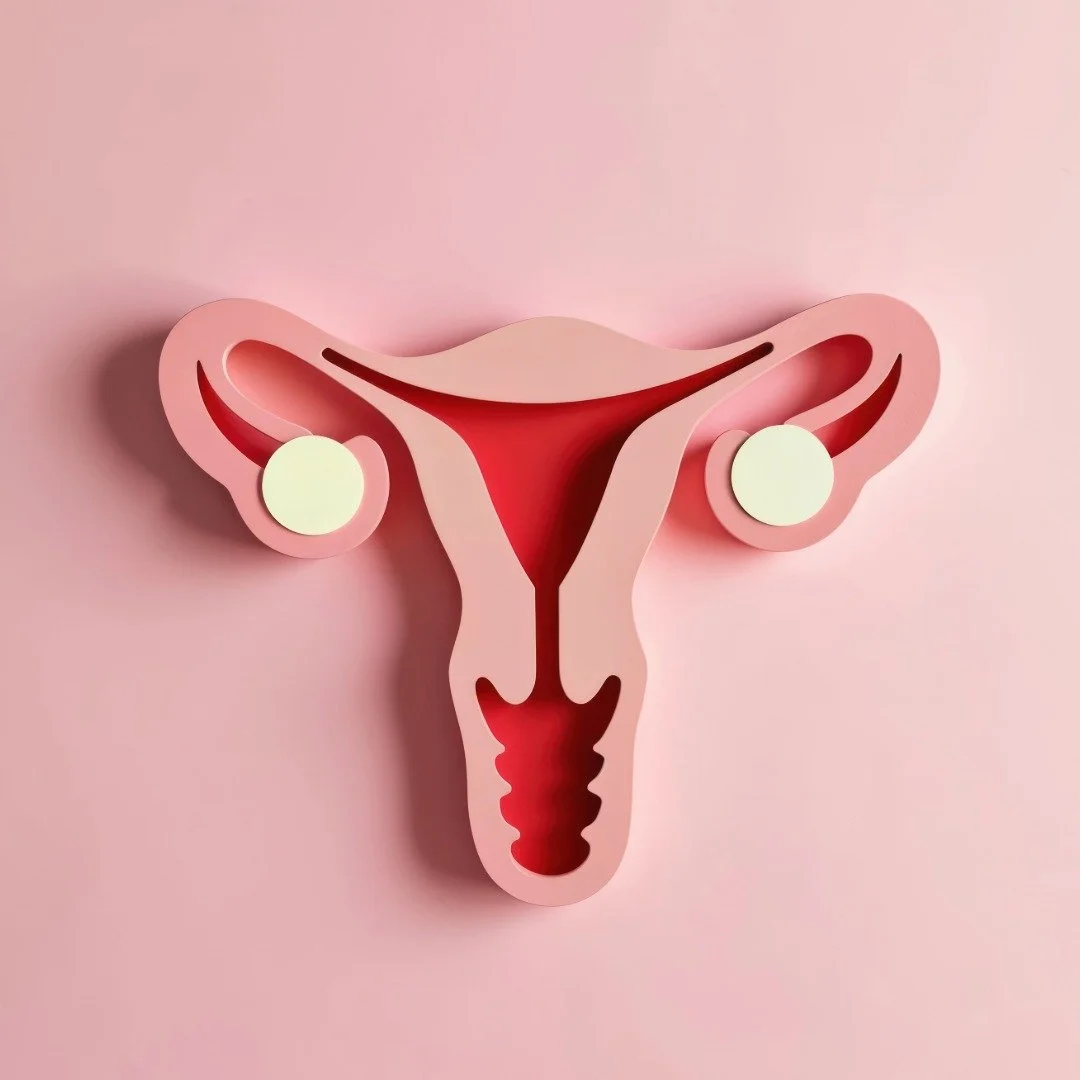
PMS refers to the symptoms that may occur a week or two before your period starts. Around 90% of women experience some symptoms, while around 20% to 40% experience symptoms that impact their daily life.
Symptoms can be emotional, physical or both and may include:
Cramping in the pelvic area
Bloating
Breast swelling and tenderness
Fluid retention
Acne
Mood changes, anxiety, low mood and irritability
PMDD is a more severe condition similar to PMS that causes intense emotional and psychological distress in the one to two weeks before menstruation with symptoms usually settling once menstruation starts. PMDD affects about 3% to 8% of women of reproductive age. Symptoms can significantly interfere with daily life.
Common symptoms include:
Extreme or sudden changes in mood, such as suddenly feeling sad or tearful, or becoming more sensitive to rejection
Irritability, anger, or increased conflict with others
Feelings of depression, hopelessness, worthlessness, or guilt
Anxiety, tension, or feeling ‘on edge’
Other symptoms may include:
Reduced interest in usual activities
Difficulty concentrating
Lethargy, increased fatigue, or a noticeable lack of energy
Significant changes in appetite, including overeating or cravings for specific foods
Sleeping excessively or difficulty sleeping
Feeling overwhelmed or a sense of being out of control
Physical symptoms such as breast tenderness or swelling, joint or muscle pain, bloating or feeling of weight gain
-
Osteoporosis is called a “silent” disease because bones weaken without visible symptoms or pain. Many people are unaware they have brittle bones until they have a minor fall and break a bone.
Osteoporosis is common in Australia with an estimated:
1.2 million people with osteoporosis
6.3 million people with low bone density
Ready to take the confusion out of nutrition?
Get personalised with you, evidenced-based nutrition support that considers the whole you; not just your weight or symptoms.