Bothersome Bloating Causes & Prevention

Bloating can have many possible triggers including gas, gut function, dietary and food triggers, and hormonal factors. If bloating is affecting your everyday life, individualised dietetic support is available to improve your gut health.
Bloating and Abdominal Distension
What is Bloating?
Bloating is the sensation of the abdomen swelling. It is often described as a feeling of fullness, swelling, trapped gas, or though there is an inflated balloon in the belly.
What is Abdominal Distension?
Abdominal distension is a visible increase in abdominal girth (the measurement around the waist). It is often described as feeling or looking pregnant.
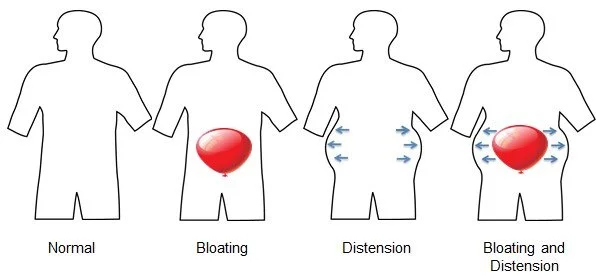
What’s Normal?
It’s completely normal for your belly to stick out a little or even a lot. Our stomachs are not designed to be perfectly flat. It’s natural and expected for your tummy to appear flatter in the morning and to become more rounded as you eat and drink throughout the day.
What Can Cause Bloating and Distension?
The exact mechanisms underlying bloating and distension are not fully understood. However, they are thought to involve a build-up of food, fluid, and/or gas in the stomach or intestines, causing them to expand and resulting in uncomfortable symptoms.
Common Bloating Triggers
Gas
Excessive gas accumulation
Abnormal gas handling
Gut Function
Altered gut motility (too slow or too fast)
Gut hypersensitivity (increased sensitivity to normal stretching)
Gut-brain axis dysfunction
Altered gut microbiota
Abnormal levels of bacteria in the small intestine (SIBO)
Constipation or hard stools
Diet and Food Triggers
Large meals
Eating too quickly
Swallowing excess air (e.g. chewing gum, carbonated drinks, and talking while eating)
Health Halo foods e.g., foods marketed as ‘diet’, ‘low sugar’, or ‘low carb’
FODMAPs-containing foods
Gassy foods
High-fat meals
Excessive dietary fibre intake
Food intolerances (e.g., lactose intolerance)
Food sensitivities
Hormonal Factors
Sex hormones oestrogen and progesterone are involved in many bodily systems, including the gastrointestinal (GI) tract. They significantly affect the GI tract by influencing gut motility, pain sensitivity, and the diversity of gut bacteria. Fluctuating hormone levels occur during the following life stages:
Menstruation
Perimenopause and post menopause
Pregnancy
Lifestyle Factors
Stress and anxiety
Physical inactivity
Tight-fitting clothing, belts, or high waisted pants/skirts that increase abdominal pressure
Functional Gastrointestinal Disorders
Irritable Bowel Syndrome (IBS)
Functional dyspepsia
Functional bloating and distension
Chronic constipation
Medical Conditions
Gastroparesis
Undiagnosed coeliac disease
Inflammatory bowel disease (IBD)
Endometriosis
Ovarian cancer (rare, but important to exclude if symptoms are new or persistent)
Ascites (fluid accumulation in the abdomen)
Gastrointestinal obstruction (rare)
Treatment of Bloating & Distension
There isn’t one universally effective treatment for bloating and distension. Because there are many possible underlying causes, management should be tailored to the individual and may involve a combination of approaches.
It is always important to see your GP for assessment to rule out underlying medical conditions or associated disorders.
Treatment Options:
Medications
Antispasmodics
Antibiotics
Antidepressants
Prokinetics
Strain-specific probiotics
Psychological Therapies
Gut directed hypnotherapy
Cognitive behavioural therapy
Lifestyle Interventions
Stress management
Relaxation and distraction techniques
Gentle movement
Wearing comfortable, loose-fitting clothing around the abdomen
Abdominal massage
Diaphragmatic breathing
Dietary Interventions
Establishing a regular eating pattern
Meeting daily energy requirements
Mindful eating
Identifying possible food triggers
Modifying dietary fibre intake
Peppermint tea