Pushing Protein For Profit
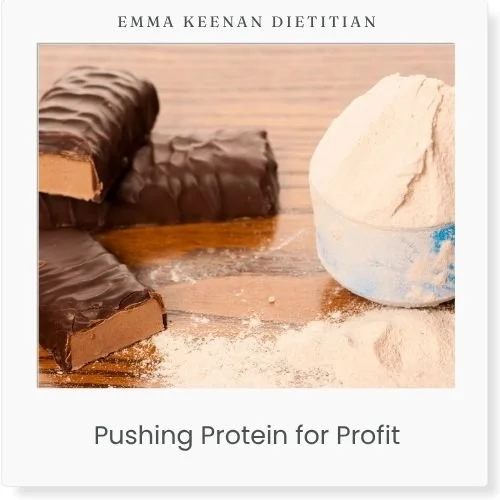
Protein, protein, protein — are you sick of hearing about it online and seeing it take over nearly every product in the supermarket? I know I am. And if you’ve been trying to eat copious amount of protein, you’re probably feeling over it too.
A few weeks ago, I made the very silly mistake of getting sucked into buying a chocolate pudding because you could win tickets to something. I’m a sucker for a competition. Unfortunately, I only realised after I’d bought it that it was a ‘high protein’ product. Thankfully, I hadn’t bought it because I was craving chocolate pudding — that would have been even more disappointing.
Feeling satisfied by our food choices is an important part of eating well. As soon as I saw the high-protein label, I suspected it wouldn’t taste great — and I was right. It was awful.
High-protein products often taste unpleasant because of added protein hydrolyses or peptides. Protein itself has very little flavour, but it affects flavour by binding and trapping flavour molecules in food, which leads to undesirable flavours and aromas. This is why many protein shakes and bars contain added sweeteners, flavours, and thickeners — they’re trying to make them taste better. Doesn’t work so well though.
Why is protein so popular?
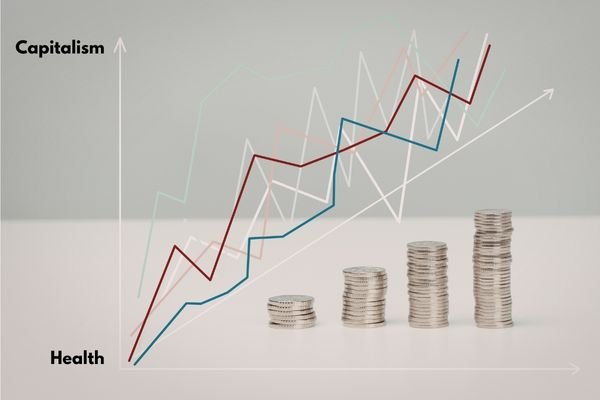
Because it’s profitable. The food industry didn’t just reformulate an entire range of products because they care about your health.
Protein has become the most marketable macronutrient, and influencers are making significant money promoting nutrition misinformation online. In 2025, the Australian protein supplement market was valued at $540.47 million, and it’s expected to continue to grow.
We’re also seeing the return of 90’s diet culture — version 2.0 — because unfortunately, we didn’t learn anything from heroin chic the first time around. High protein often means low carbohydrates, and carbohydrates haven’t recovered from being deemed as fattening in the 1960’s.
So here we go again:
Skinny is “good”
Fat is “bad”
And the more dissatisfied you feel with your body, the more products they can sell
It’s frustrating — and honestly, absolutely outrageous.
To Gen Z and Gen Alpha — if you’re reading this — please know:
Your body is not a problem to be fixed
Your health is not defined by your weight
Your worth has nothing to do with your weight, shape, or size
Diets do not work, no matter how hard you try, so don’t get caught in the trap
Do I Really Have to Eat so Much Protein?
Short answer: No
Unless you are:
Over 75 years of age
Unable to eat three meals per day
Experienced illness or reduced appetite
In these situations, it’s worth speaking with a dietitian for personalised advice.
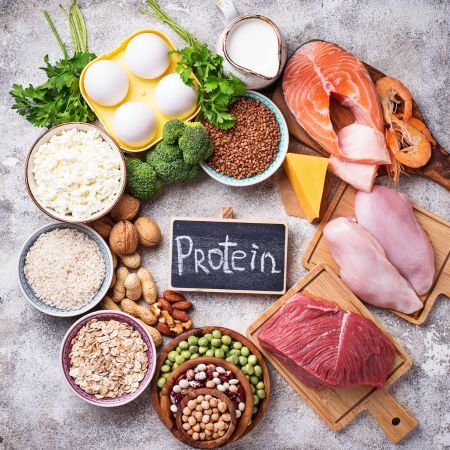
For everyone else, if you’re eating three meals per day and including a variety of foods such as:
Wholegrain breads and cereals
Nuts and seeds
Legumes
Dairy
Meat
Seafood
….you’re very likely already getting enough protein without needing to think about it.
If you’re exercising regularly or going to the gym, and feel like you have to have more protein. A simple and effective post-exercise option is cow’s milk — plain, chocolate, or coffee milk. Milk naturally contains:
Carbohydrates
Protein
Fat
Water
Electrolytes
Calcium
And importantly, 63.7% of Australians have inadequate calcium intake, making milk a practical, accessible and affordable option.
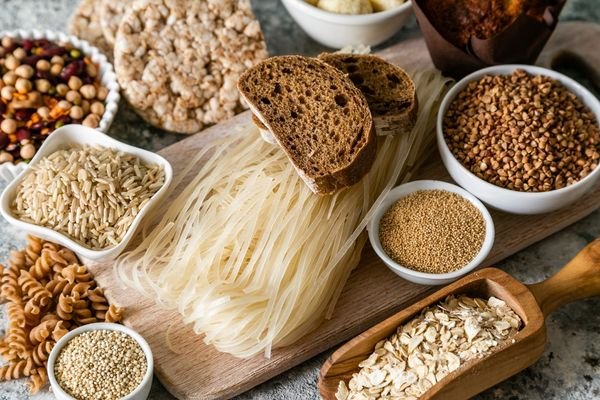
You Would Probably Benefit from Eating More Carbohydrates
No — carbohydrates do not make you fat. Being fat is not the worst thing you could be either.
The “carbs make you fat” myth is one of diet culture’s greatest distortions of nutrition science.
Weight changes often seen on low-carbohydrate, high-protein diets are largely due to fluid loss, not fat loss.
Gram for gram, carbohydrates and protein provide the same amount of energy.
Here’s what actually happens:
Carbohydrates are broken down into glucose
Glucose is used for energy or stored as glycogen in the liver and muscles
For every gram of glycogen stored, 3-4 grams of water are stored alongside it
The body stores approximately:
100-120g of glycogen in the liver
~400g of glycogen in skeletal muscles
That’s roughly 500-520g of glycogen in total
When multipled by 3-4 g of water:
1.5-2.0kg of fluid is stored alongside glycogen
When carbohydrate intake drops:
Glycogen stores decrease —500-520g
Water is lost — 1.5-2.0kg
Weight (~2.5kg) drops quickly (but it’s mostly fluid)
When protein intake is high and carbohydrate intake is low:
Protein is converted to glucose for brain function
This products nitrogen as a byproduct
Nitrogen is excreted in the urine
Increased urination leads to fluid and sodium loss
Reduced sodium lowers thirst
Dehydration risk increases
High Protein, Low Carbohydrate Diets are Associated With:
Rapid weight (fluid) loss
Fatigue due to limited carbohydrate availability
Irritability due to a brain starved of glucose
Nausea from low blood glucose
Constipation from low fibre intake
Low blood pressure from reduced fluid volume
Bad breath (ketone production)
Protein is important — but more is not always better and it’s not more important than carbohydrates.
Nutrition doesn’t need to be extreme, complicated, or driven by trends. Most people would benefit more from balanced meals, adequate carbohydrates, and foods that actually taste good.
Be very mindful of who you turn to for nutrition advice.
Browse Nutrition Articles
Mediterranean Style Baked Chicken I Melbourne Dietitian & Nutritionist
Spaghetti Bolognese Recipe - Melbourne Dietitian & Nutritionist
A Healthy Relationship with Food I Melbourne Dietitian & Nutritionist
References
Australia Protein Supplements Market Size and Forecast: Share, Outlook, Trends and Growth Analysis Report (2026-2035). Retrieved from https://www.expertmarketresearch.com.au/reports/australia-protein-supplements-market
Pérez CB, Oliviero T, Fogliano V, Janssen H-G, Martins SIFS. (2023). Flavour them up! Exploring the challenges of flavoured plant-based foods. Flavour Fragr J. 38: 125-134. doi:10.1002/ffj.3734
Guichard, E. (2005). Flavour retention and release from protein solutions. Biotechnology Advances, V 24, 2; 226-229
Amiri, M., Ghiasvand, R., Kaviani, M., Forbes, S, C., & Salehi-Abargouei, A. (2019). Chocolate milk for recovery from exercise: a systematic review and meta-analysis of controlled clinical trials. Eur J Clin Nutr 73, 835–849. https://doi.org/10.1038/s41430-018-0187-x