Iron Deficiency, are you at increased risk?
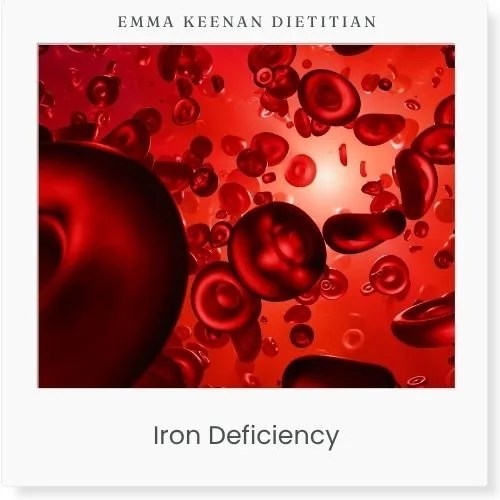

I donated blood today and thought it would be the perfect time to chat about iron.
Donating blood is a super easy process, as long as needles don’t bother you. The whole process takes around 1 hour from walking in the door to walking out. You walk in, answer some questions, answer more questions, have your blood pressure taken, and your haemoglobin checked. My donation took around 7 minutes today. Then you hang out in the waiting/snack area for 15 minutes and then you’re free to go.
The Melbourne CBD has great snacks! There are mini meat pies, mini sausage rolls, chips, chocolates, coffee machines, milkshake makers, juices, and flavoured milk. And you save 3 lives, let’s not forget about the good deed. You generally get a text message over the coming days telling you where your blood has gone to. You also get 3 hours of free parking in the CBD.
I’ve managed to rope one friend into coming with me as well so it’s a good excuse for a social outing.
What is Iron?
Iron is an essential mineral for your body. Iron is vital to produce red blood cells, which are important for:
a healthy immune system
mental function
muscle strength and energy
What is Iron Deficiency?
Iron deficiency is when your body’s total iron stores are depleted, but your haemoglobin levels remain normal.
Iron deficiency anaemia is when the deficiency of your body’s total iron stores is severe enough that there is not enough iron for the bone marrow to make adequate haemoglobin.
What Does Iron Do in the Body?
Iron plays many important roles in the body, but its primary function is helping transport oxygen in the blood. It carries oxygen from your lungs to every cell in your body, where it is needed to produce energy and support normal function.
Red blood cells carry oxygen throughout the body using a protein called haemoglobin. Each haemoglobin molecule contains four iron atoms, and each iron atom can bind one oxygen molecule, allowing a single haemoglobin molecule to carry up to four oxygen molecules.
In a nutshell: Low iron —> less haemoglobin —> reduced oxygen delivery to tissues —> fatigue, reduced energy, and a body that can’t function at its best.
Iron Deficiency in Australia
Iron deficiency is a common nutritional health issue in Australia, with women more susceptible to iron deficiency due to menstrual blood loss.
Iron deficiency anaemia affects approximately:
8% of children aged <5 years
15% of non-pregnant premenopausal women
12% of pregnant women
Where is Iron Found in the Body?
The average adult body contains around 3-4 grams of iron.
Most of this iron is distributed in three main locations:
~70% is found in haemoglobin within red blood cells
~25% is stored as ferritin, primarily in the liver, to provide a reserve for future needs
The remaining ~5% is found mainly in myoglobin within muscle cells, where it helps store and deliver oxygen for muscle function
How Much Iron Do I Need Each Day?
Below is the recommended dietary intake. If you follow a vegan or vegetarian diet, you multiply your RDI x 1.8 to get your daily requirements.
Children & Adolescent Daily Iron Needs
Adult Daily Iron Needs
Dietary Iron Intake in Australia
Almost 17.3% of people aged 2 years and older have an inadequate iron intake from food and beverages
26.8% of females have inadequate intake. The highest levels of inadequate intake in females is:
37.2% aged 12-17 years
47.7% aged 18-29 years
42.2% aged 30-49 years
8.2% of males have inadequate intake
Who is Most at Risk of Iron Deficiency?
Menstruating women
Pregnant or breastfeeding women
Infants and young children
Teenagers
People who follow vegetarian or vegan diets
People addicted to alcohol
People taking gastric acid-lowering medications e.g. PPI
People who have had gastric bypass surgery
Blood donors
Adults on average lose about 1mg of iron per day through the sloughing of cells from the skin and lining of the gastrointestinal tract.
During menstruation, women lose around 2mg per day.
Growth spurts in children increase requirements.
As does increased blood volume and losses during pregnancy and increased requirements during breastfeeding.
The iron content in the blood is around 50mg/100mL. The average blood donation is 500mL with the average loss of iron being about 250mg.
Which Foods are High in Iron?
Iron from our diet comes from either animal products known as haem iron or from plant products known as non-haem iron.
Haem iron is the most bioavailable, meaning it is better absorbed than non-haem iron. About 25% of haem iron is absorbed compared to 17% of non-haem iron.
Around 18% of dietary iron is absorbed from mixed diets and about 10% from vegetarian diets.
To increase the absorption of non-haem iron it is best eaten with foods containing vitamin c.
Oysters and mussels are some of the best sources of haem iron.
Fortified cereals, green leafy veg, and dried apricots are some of the best sources of non-haem iron.
Iron Deficiency Symptoms
Weakness
Fatigue - waking up tired or napping in the afternoon
Headaches
Impaired work function
Impaired cognitive function
Impaired immunity
Pale skin
Inability to regulate body temperature
Craving non-food items
Cold hands or feet
Irregular heartbeat
Dizziness
How is Iron Deficiency Diagnosed?
By a simple blood test at your GP clinic or pathology lab.
It is important to get tested if you have the above symptoms because iron deficiency isn’t always caused by blood loss or inadequate dietary intake
Symptoms of iron deficiency can be similar to other health conditions
Deficiency may be due to a condition of the gastrointestinal tract that inhibits iron absorption, such as coeliac disease, or inflammatory bowel disease
Iron deficiency can occur due to chronic disease
Certain medications may decrease iron absorption