
Chronic Constipation
If you feel like you're constantly battling bloating and discomfort, you aren't alone. In Australia, roughly 1 in 4 adults suffer from chronic constipation. As a dietitian, I know that "normal" is a wide range, but "comfort" is non-negotiable.
In this guide, we’ll break down what constitutes a healthy bowel movement, the red flags you shouldn't ignore, and how to get things moving again.
What is Constipation?
Constipation is more than just "not going." It is a clinical condition where you experience difficulty passing stool, often involving straining, hard textures, or a sense that you haven't fully emptied your bowels.
Common Symptoms of Constipation
Stool Consistency: Hard, dry, lumpy "pebbles" (rabbit or sheep droppings).
Frequency: Opening your bowels fewer than three times per week.
Straining: Spending more than a few minutes on the toilet pushing to get anything to pass.
Blockage: The physical sensation that there’s a physical blockage or obstruction.
Incomplete Evacuation: Feeling like poo is remaining despite passing stool.
Physical Discomfort: Abdominal pain, bloating, nausea, and even heartburn.
Manual Support: Needing to use fingers or toilet paper to assist in evacuation.
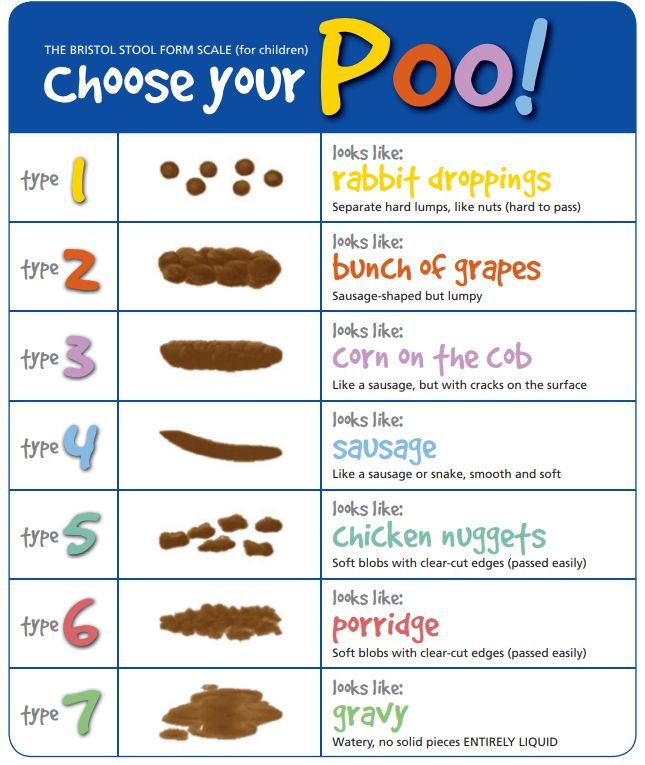
WHAT Does a “Normal” Poo Look Like?
Many people worry unnecessarily about their habits. Use the checklist below to see if your digestive health is on track.
The Healthy Stool Checklist:
Shape: Like a sausage with cracks (Type 3) or a smooth, soft snake (Type 4) on the Bristol Stool Scale.
Frequency: Anywhere from 3 times per day to 3 times per week is considered "normal."
Effort: Should be passed easily without significant straining or pain.
Colour: Shades of brown are ideal.
When is it Abnormal?
You should take note if your stool is:
Consistently liquid (diarrhoea)
Extremely hard (Types 1-2)
A strange colour (black, red, pale/clay, or green).
🚩Red Flag Symptoms: When to See a GP
While constipation is often dietary, sometimes it is a symptom of something more serious. Please consult your doctor immediately if you experience:
Unexplained weight loss or fever.
Blood in the stool or rectal bleeding.
Waking up at night specifically to pass stool.
A sudden, persistent change in bowel habits after age 50.
A family history of bowel cancer or Inflammatory Bowel Disease (IBD).
Why am I Constipated? (Common Causes)
Constipation is rarely caused by just one thing. It is usually a combination of:
Dietary Factors: Low fibre intake, inadequate fluid, or not eating enough food.
Lifestyle: Lack of movement, "withholding" (ignoring the urge), or high stress levels.
Medications: Opioids, certain blood pressure meds, and iron or calcium supplements.
Medical Conditions: Diabetes, hypothyroidism, or neurological issues like Parkinson’s.
The Rome IV Diagnostic Criteria
Clinically, the Rome IV criteria is used to diagnose specific types of constipation, such as IBS-C (where pain is a primary factor) or Functional Constipation (where the focus is on the mechanics of passing stool).
8 Dietitian Tips FOR CONSTIPATION relief
Rule Out the Serious Stuff: See your GP first to ensure there is no underlying obstruction.
Hydrate, Hydrate, Hydrate: Fibre needs water to work; without it, fibre can actually make constipation worse!
Get Enough Fibre: Make sure you’re getting enough fibre, slow is steady.
Start Moving: Physical activity stimulates the natural contractions (peristalsis) of your gut.
Use a "Squatty Potty": Elevating your knees above your hips straightens the anorectal angle for an easier exit.
Don't Ignore the Urge: "Poo fright" or avoiding opening your bowels can lead to stool becoming harder in the colon.
Relaxation: The gut and brain are connected; high stress can "shut down" digestive motility.
Consult a Gut Health Dietitian: If you've tried it all, you may need a personalised support and dietary advice to help relieve constipation.
Read Other Gut Health Articles
References
Barberio, B., Judge, C., Savarino, E. V., & Ford, A. C. (2021). Global prevalence of functional constipation according to the Rome criteria: a systematic review and meta-analysis.The Lancet Gastroenterology & Hepatology, 6, 8, p638-648.
Judkins, C. P., Wang, Y., Jelinic, M., Bobik, A., Vinh, A., Sobey, C. G., & Drummond, G. R. (2023). Association of constipation with increased risk of hypertension and cardiovascular events in elderly Australian patients.Scientific Reports, 13.
Werth, B. L., Williams, K. A., Fisher, M. J., & Pont, L. G. (2019). Defining constipation to estimate its prevalence in the community: results from a national survey.BMC Gastroenterology, 19, 75.
Werth, B. L., Williams, K. A., Fisher, M. J., & Pont, L. G. (2020). Chronic Constipation in the Community: A National Survey of Australian Adults. Journal of Wound, Ostomy and Continence Nursing 47(3):p 259-264, doi: 10.1097/WON.0000000000000632